
| January 28, 2026
Polyethylene foam is one of the most versatile materials in the world of industrial packaging, but its true potential is realized only when the right format is selected.
Choosing the wrong foam format can directly affect your products' protection and increase your logistics costs. From the polyethylene foam roll to polyethylene foam sheets or custom cuts, each option addresses specific needs for protection, handling, and presentation.
In this article, we explain how to correctly choose the polyethylene foam format, considering key factors such as density, static control, sulfur content, and application type.
Why is polyethylene foam so widely used in packaging?
Polyethylene foam stands out for being lightweight, durable, and highly adaptable. In industrial and logistics applications, it acts as a reliable protective foam for delicate or high-value products.
Its main advantages include excellent impact absorption, resistance to moisture and chemical agents, a long service life, and compatibility with various packaging formats.
Thanks to these properties, it is widely used in sectors such as manufacturing, logistics, electronics, and automotive.
Key factors for choosing the right format
Density: the foundation of protection
Foam densities determine how firm or flexible the material will be. A low density offers greater flexibility and light cushioning, while a high density provides more structural support.
For example, for light products: low or medium densities. For heavy or delicate equipment: medium-high densities or rigid polyethylene foam. Choosing the right density is essential for the protective foam to fulfill its function without over-inflating costs.
Static control and sulfur content
In applications involving electronic supplies, static control is a critical factor. There are polyethylene foam formulations with antistatic or dissipative properties that protect sensitive components during transport and storage.
Furthermore, sulfur content must be carefully evaluated. Sulfur-free foams prevent the risk of corrosion in metal components, electronic boards, and connectors, making them a safe option for the electronics industry.
Main polyethylene foam formats
Polyethylene foam roll
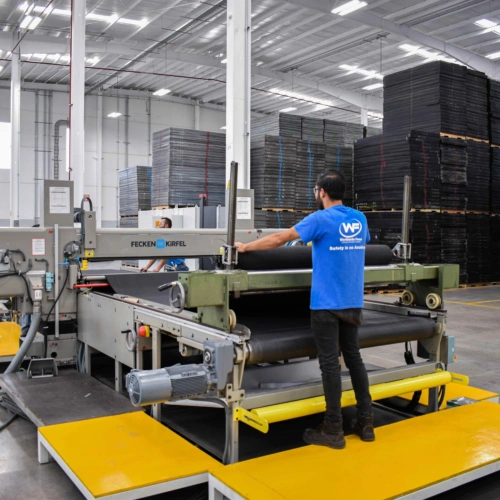
The polyethylene foam roll is one of the most versatile and widely used formats in industrial packaging. Its flexibility allows it to wrap products of different sizes and shapes, serving as a primary or secondary protective layer.
Some of the main advantages of the polyethylene foam roll are its ease of handling and cutting. Additionally, it is ideal for surface protection and helps optimize packaging times, reducing material waste and lowering costs when buying in bulk.
The polyethylene foam roll is especially useful in dynamic packaging lines and for products that require protection against scratches and minor impacts.
Sheets or planks
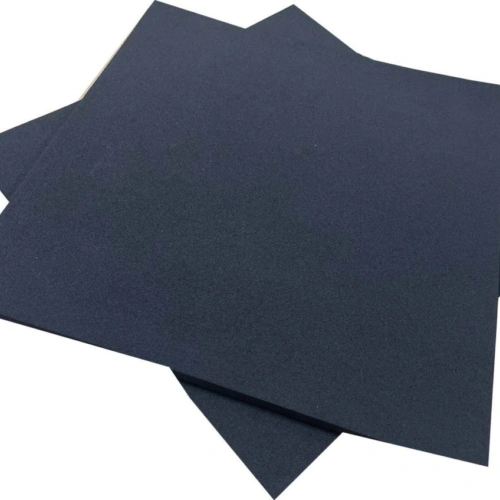
Sheets offer greater dimensional stability than the polyethylene foam roll, making them ideal for separating products inside boxes or on pallets.
They are commonly used when greater support is required, heavier loads are handled, or when a firmer structure is sought. In some cases, rigid polyethylene foam is used to reinforce corners, joints, bases, or contact surfaces.
Custom cuts and pieces
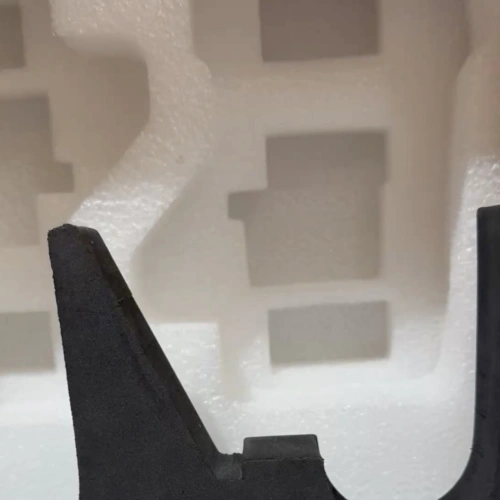
Custom cuts allow for the creation of specific packaging solutions for each product. They are ideal for electronic supplies, precision equipment, and delicate components.
Some of their main benefits include a perfect fit to the product, maximum protection, better aesthetic presentation, and reduction of internal movement. This format transforms the foam into a high value-added protective foam.
Which format to choose based on your application?
Choosing between polyethylene foam roll, sheets, or custom cuts depends on several factors:
Product type: size, weight, and fragility
Required protection level: impact, vibration, or static
Logistics process: transport, storage, or export
Final presentation: industrial or premium packaging
For example, the polyethylene foam roll is ideal for general protection and wrapping, while custom cuts are the best option for high-value products or sensitive electronic supplies.
Cost optimization and efficiency
Choosing the right format not only improves protection but also directly impacts operational efficiency. A well-selected polyethylene foam roll can reduce packaging times, while rigid polyethylene foam prevents costly damages during transport.
Investing in the right format means less spoilage, fewer claims, and a better experience for the end customer. Polyethylene foam is a highly versatile solution, but its true value is obtained by correctly choosing its format.
Whether it's a polyethylene foam roll, sheets, or custom cuts, considering factors like density, static control, and application type is key to achieving efficient and safe packaging.
At Worldwide Foam, we understand that every project is different and that the right protective foam makes a difference in the protection and presentation of your products. Don't know which polyethylene foam format is ideal for your application?
Contact us at Worldwide Foam and receive specialized advice to choose the best packaging solution for your industry.
Questions and answers
1. What is polyethylene foam and what is it used for?
Polyethylene foam is a lightweight and durable material primarily used in packaging to protect products against impacts, vibrations, scratches, and moisture during transport and storage.
2. When is it best to use a polyethylene foam roll?
The polyethylene foam roll is ideal when you need to wrap products of different sizes quickly and flexibly, especially in continuous or high-volume packaging processes.
3. What is the difference between rigid and flexible polyethylene foam?
The difference lies in the foam densities. Flexible foam absorbs light impacts, while rigid polyethylene foam offers greater structural support for heavy or delicate products.
4. How do foam densities influence product protection?
Foam densities determine the level of cushioning and resistance. An adequate density ensures that the product is protected without generating unnecessary costs due to over-protection.
5. Is polyethylene foam suitable for electronic supplies?
Yes. There are special polyethylene foam formulations with static control, ideal for electronic supplies, as they prevent discharges that could damage sensitive components.
6. What format offers the most customization in packaging?
Custom cuts offer the most customization, as they are specifically designed for the product's shape, serving as a high-performance and excellently presented protective foam.
7. Why is it important to consider the sulfur content in the foam?
Sulfur content can cause corrosion in metal components. For electronics or precision industries, sulfur-free polyethylene foam is recommended to prevent long-term damage.
8. Does polyethylene foam help reduce logistics costs?
Yes. Choosing the correct format, such as the polyethylene foam roll, optimizes packaging times, reduces spoilage, and decreases claims for damage during transport.
9. How do I know which polyethylene foam format I need for my project?
It depends on the product type, required protection level, logistics process, and final presentation. The ideal approach is to receive specialized technical advice to select the most suitable protective.


Worldwide Foam

We are leaders in the supply of closed cell polyethylene foam in Mexico. We support various industries by offering a wide range of products and complementary services.