
| October 30, 2026
Protecting products, equipment, and components used in the food industry without compromising hygiene and safety requirements relies heavily on choosing the right packaging materials. This type of material is essential for reducing damage during storage and transit.
In this context, sulfur-free polyethylene foam can serve as a viable alternative for specific applications, provided its properties and documentation align with its intended use.
In addition to being lightweight and offering excellent cushioning, this technical foam allows for custom-engineered solutions to protect machinery and parts. However, it is vital to distinguish between a material suitable for protecting food processing machinery and one approved for direct food contact.
What is sulfur-free polyethylene foam?
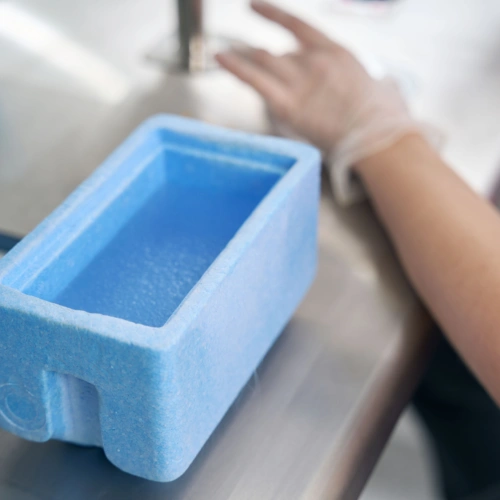
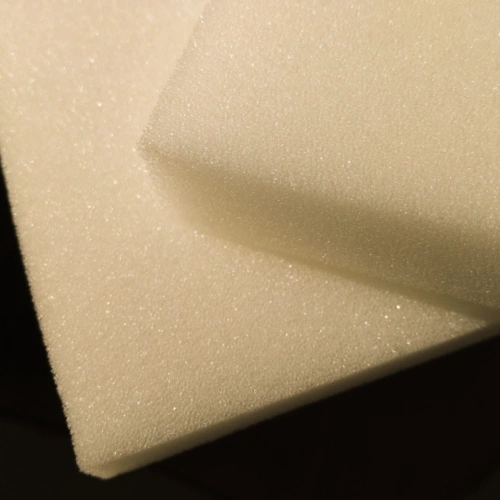
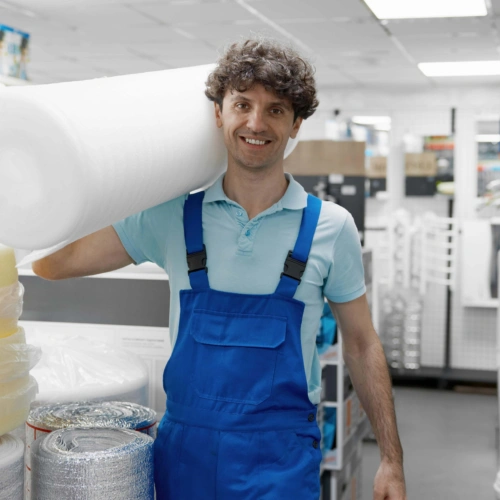
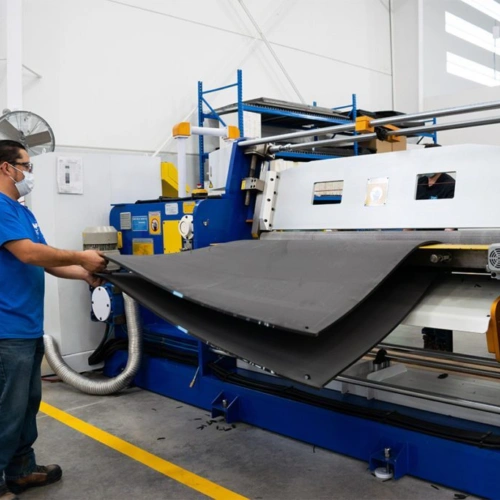
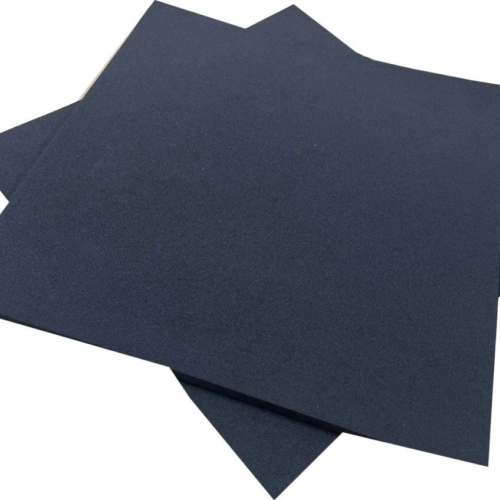
Polyethylene foam is a lightweight, flexible, and often closed-cell material. Its unique structure helps absorb shocks and reduce the risk of damage during handling, storage, and industrial transport.
When an application demands sulfur-free materials, verifying product composition and specifications is crucial. This feature can be particularly relevant in processes aimed at avoiding specific substances or meeting strict manufacturing standards.
Key benefits include shock absorption, ease of cutting and shaping, and the versatility to craft custom inserts, dividers, and tailored components. Depending on its formulation, the foam can also offer moisture resistance and a surface that is easy to handle.
These properties enable the design of secure protection solutions for sensitive equipment, instruments, and components across food processing facilities.
However, simply because a material is labeled non-toxic does not automatically mean it is approved for direct food contact.
Uses of packaging foam in the food industry
The food industry requires reliable materials to keep machinery and equipment in optimal condition across all operational phases.
Polyethylene foam plays a pivotal role in industrial packaging, particularly when delicate parts need protection without adding unnecessary weight.
Protection for processing machinery and equipment
Machinery used for processing, dosing, mixing, or packaging food often includes sensitive parts that require careful handling. During transit, custom foam inserts keep components firmly in place, mitigating damage caused by shocks and vibrations.
Packaging for spare parts and components
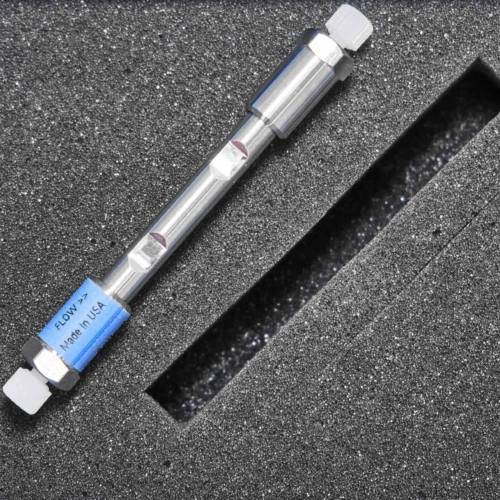
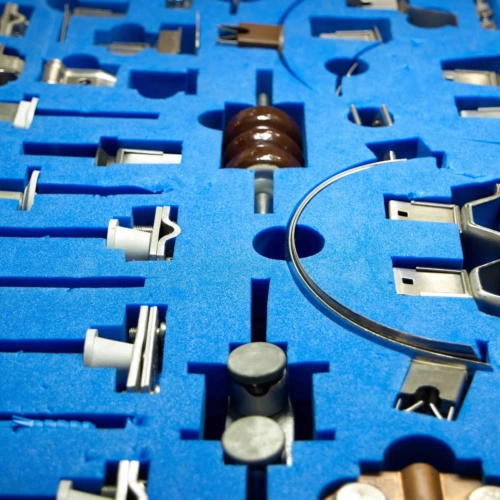
Replacement parts for production lines also demand protection during storage and distribution. Precision parts can be safely separated using custom cavities or foam dividers to prevent metal-on-metal contact.
Within the food industry, this tailored design approach is ideal for organizing stainless steel components, precision instruments, and critical spare parts. Final selection should factor in the specific cleaning, handling, and storage conditions of each item.
Protection during industrial transit
Shipping items between plants, warehouses, and distribution centers exposes components to continuous vibration, shifts, and impacts. Choosing foam with the right density and thickness helps manage and minimize these transit risks.
A custom-engineered technical foam solution maximizes internal container space, keeps parts safely separated, and streamlines inventory identification. The geometry of each insert should be carefully adapted to the product's weight, fragility, and transit conditions.
Is polyethylene foam safe for direct food contact?
This is a critical question for any company operating in the food sector. The short answer depends on the specific chemical formulation, intended application, and applicable regulatory compliance standards.
While a sulfur-free material addresses specific compositional requirements, this property alone does not make it food-grade or certified for direct food contact. Before selection, technical datasheets, declarations of conformity, and manufacturer certifications must be thoroughly reviewed.
Food engineering accounts for rigorous factors like hygiene, chemical compatibility, operational temperatures, and contamination risks. Therefore, it is important to clarify whether the material will touch food directly, shield machinery, or simply package spare parts during transit.
Required durability, cleanability, and ambient environmental conditions must also be evaluated. For direct food contact applications, foam must carry explicit regulatory documentation supporting its compliance and safety for that specific use.
Protect your components with custom packaging solutions
At Worldwide Foam, selecting foams for industrial applications is tailored around the protection, handling, and packaging needs of each individual component.
The goal is to deliver a practical solution that safeguards products and optimizes logistics without making unverified compliance claims. Selecting the right packaging foam significantly reduces damage, improves organization, and simplifies transport for critical equipment and spare parts.
If your business requires high-quality sulfur-free polyethylene foam or specialized technical foam for food industry applications, verifying your exact project specifications is the first step.
Contact Worldwide Foam today to assess your protection requirements and find a custom foam solution tailored to your industrial processes.


Worldwide Foam
We are leaders in the supply of closed cell polyethylene foam in Mexico. We support various industries by offering a wide range of products and complementary services.