
| October 30, 2026
A lightweight material can help reduce heat transfer, dampen vibrations, and protect delicate products during transit. Insulation is essential across numerous industrial applications, from packaging electronic components to equipment protection and sensitive parts.
Among available alternatives, polyethylene stands out for its versatility and cellular structure. Polyethylene foam insulation leverages properties such as low thermal conductivity, shock absorption, and lightness to create solutions tailored to various needs.
However, its performance depends on density, thickness, material structure, and operating conditions.
What is packaging insulation and why is it important?
It involves incorporating materials that help minimize the impact of external factors like shocks, vibrations, temperature fluctuations, and contact between components. In industrial applications, properly designed packaging helps reduce damage during storage and transit.
It also simplifies parts organization and helps maintain required conditions throughout distribution. Polyethylene foam insulation is particularly effective for these tasks because it combines low weight with cushioning performance.
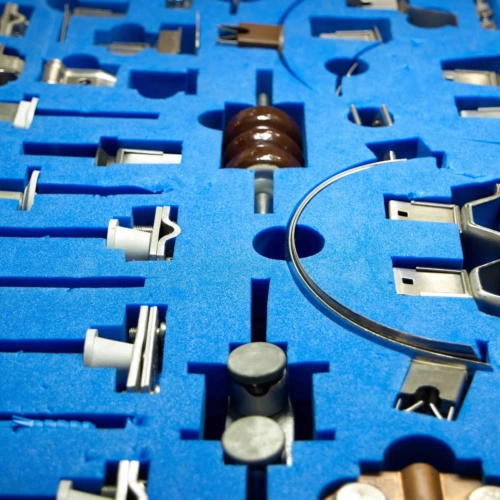
It can be converted into inserts, dividers, liners, and custom-fabricated pieces tailored to the specific protection needs of the product.
What is thermal insulation and how does the foam work?
To understand what thermal insulation is, it is important to consider how heat transfers between surfaces or environments. An insulating material restricts that heat flow, though its effectiveness relies on its properties and installation method.
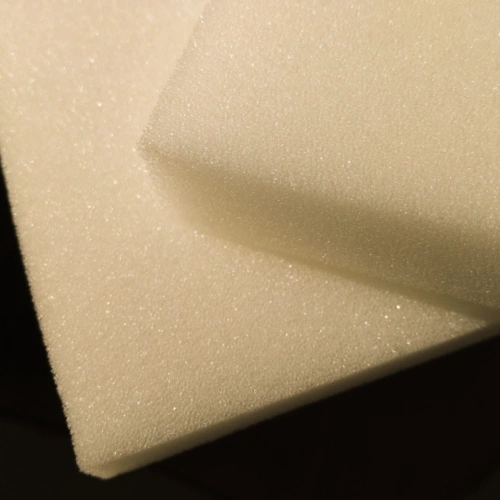
The polyethylene foam structure contains countless cells that trap air movement within. This structure reduces heat transfer and helps moderate thermal variations in specific applications.
Polyethylene foam insulation can serve as a protective lining, component divider, or insulating layer in various industrial products and systems. It can also be integrated into packaging that requires protection from moderate temperature shifts.
It is worth noting that foam does not automatically replace specialized thermal management systems. For applications requiring strict temperature control over extended periods, factors like thermal conductivity, thickness, operating temperature, and ambient conditions must be evaluated.
Acoustic insulation and vibration dampening
Beyond heat control, many industries need to manage noise and vibrations caused by machinery, equipment, and mechanical parts during operation.
Using polyethylene foam as a divider, liner, or decoupling element helps cushion vibrations and dampen contact noise. For instance, placed between items, it reduces rattling caused by movement during transport.
However, dampening vibrations differs from blocking sound. Acoustic insulation depends on frequency, mass, surface continuity, and overall system design. Material testing is recommended whenever noise control is a critical requirement.
Impact protection: A key advantage of polyethylene
Mechanical protection is one of the most widely recognized uses for these foams. Its cellular structure compresses under load to absorb and distribute shock energy, minimizing the risk of product damage.
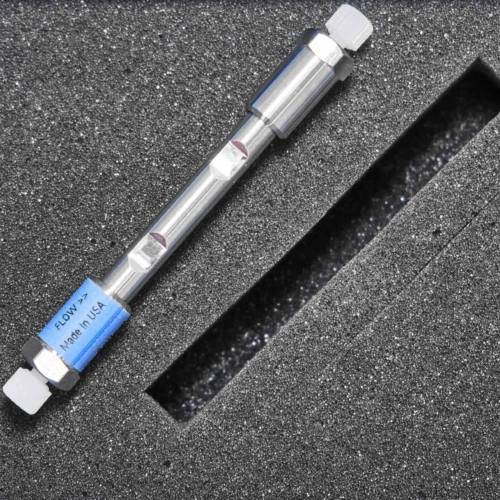
Polyethylene foam insulation is especially valuable for tool tray inserts, measuring instruments, electronic components, and equipment requiring secure positioning inside packaging.
What is expanded polyethylene foam?
It refers to a polymer material engineered with expanded cellular structures formed during processing. These cells provide lightweight cushioning properties. Because the term can cover various structures and manufacturing processes, identifying the precise foam type is crucial.
Cross-linked polyethylene foams, such as the XLPE family, deliver a consistent cell structure suited for demanding packaging and equipment protection applications.
Selection should rely on grade specifications rather than generic material names alone.
How does polyethylene foam compare to other materials?
Compared to rigid materials, polyethylene foam offers superior flexibility and cushioning, combined with a lighter weight.
When evaluated against certain polyurethane foams, its closed-cell structure and moisture resistance prove advantageous, though performance varies by formulation.
Against mineral wool or fiberglass—often used in specialized thermal insulation and acoustic systems—polyethylene stands out for its flexibility and ease of fabrication into custom protective components.
However, those materials may perform better in high-temperature applications or specific acoustic environments.
Durability and selecting the right insulation material
The durability of insulating materials depends on environmental exposure, mechanical loads, repeated compression, and handling. Selecting the right foam requires verifying that it retains essential properties over its intended lifespan.
Polyethylene foam insulation provides an effective, lightweight, and adaptable option for product protection. Choosing the appropriate grade and thickness should align with real-world operating conditions.
Ultimately, understanding how polyethylene foam compares to other materials prevents decisions based solely on unit cost. A thorough technical assessment helps determine whether the application requires thermal insulation, cushioning, vibration dampening, or a combination of functions.
Every application demands a balance of protection, performance, and cost efficiency. Worldwide Foam offers solutions for packaging foam and industrial uses, including options like XLPE cross-linked polyethylene and elastomeric foams.
Contact Worldwide Foam to evaluate your project requirements and find an insulation and protection solution tailored to your industry.


Worldwide Foam

We are leaders in the supply of closed cell polyethylene foam in Mexico. We support various industries by offering a wide range of products and complementary services.