
| April 15, 2026
A large part of the losses in the supply chain is due to inadequate packaging. Especially in logistics environments, where every movement counts—from warehouses to international transport—protecting products becomes a strategic priority.
This is where polyethylene foam becomes a key solution to optimize logistics and prevent damage.
In this article, you will discover how to implement efficient packaging, what types exist, and why this material is one of the best investments for companies looking to reduce waste and improve delivery quality.
Why does logistics damage occur?
Before discussing solutions, it is important to understand the problem. In logistics, products are exposed to multiple risks. Such as constant vibrations during transport, impacts from incorrect handling, compression in storage, as well as changes in temperature and humidity.
Without an adequate protection system, these factors can compromise product integrity, especially in the industrial, electronics, or automotive sectors.
Polyethylene foam: the foundation of secure packaging
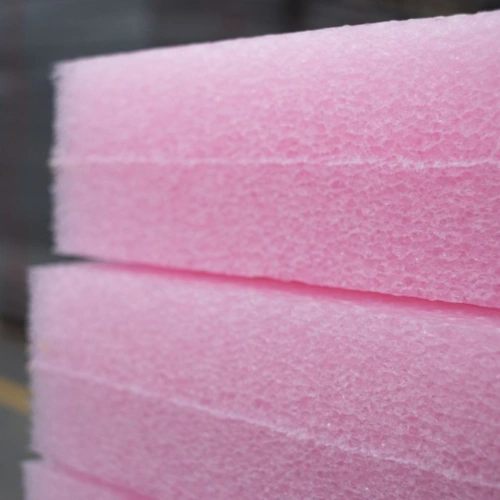
Polyethylene foam is one of the most widely used materials in industrial packaging due to its combination of lightness, resilience, and impact absorption capacity.
This material stands out for its closed-cell foam structure, which means it does not absorb moisture, offers excellent cushioning, maintains its shape after impact, and protects against vibration.
Key benefits in logistics
The properties of this material allow polyethylene foam to function as an efficient protective barrier at different stages of the logistics chain. Some key benefits of closed-cell polyethylene foam are mentioned below.
Damage reduction
The main benefit of polyethylene foam is its ability to minimize impacts. This directly translates into fewer returns, less waste, and greater customer satisfaction.
Cost optimization
Design versatility
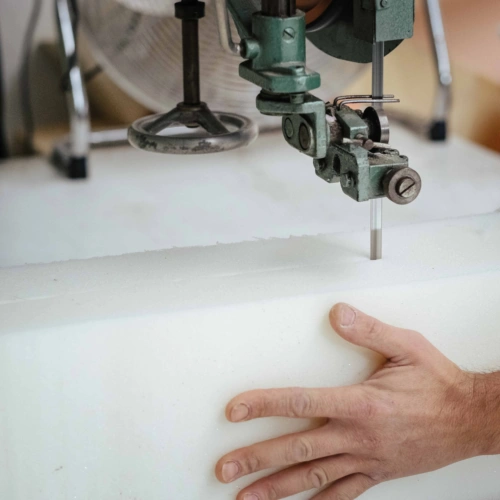
Polyethylene foam can adapt to different shapes and sizes, allowing for customized solutions for various products.
Types of packaging with polyethylene foam
Thanks to its properties and benefits, it can be used in different applications, especially in logistics and distribution. Some of them are the following.
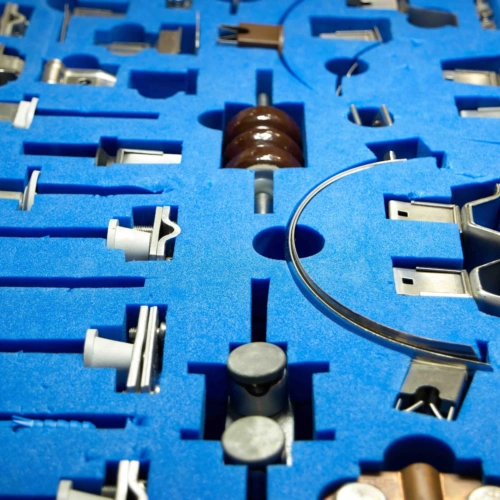
Custom inserts
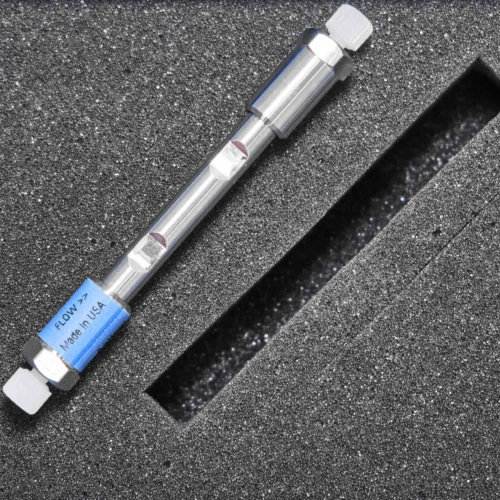
Inserts made with polyethylene foam are custom-designed to fit the product perfectly. This prevents internal movement and improves stability during transport.
Internal separators and dividers
In boxes with multiple products, separators help maintain organization and prevent direct contact between pieces. These systems are ideal for delicate components.
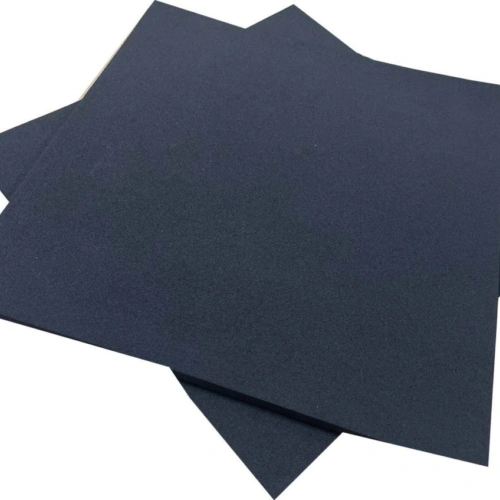
Rolls and sheets
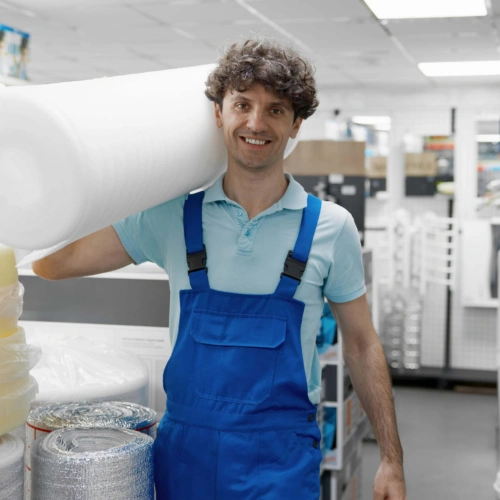
Polyethylene foam rolls allow products to be wrapped quickly and efficiently, especially in high-volume processes.
Gaskets and seals
Gaskets manufactured with this material are used to seal gaps and protect against dust, moisture, or vibration, complementing the packaging system.
Designing efficient industrial packaging
Precise product fit
A common mistake in logistics is using generic packaging. The key is to design specific solutions that immobilize the product without exerting excessive pressure.
Selection of the appropriate density
The density of the polyethylene foam must be chosen according to the weight and fragility of the product. Denser materials offer greater support, while lighter ones are ideal for delicate items.
Multi-layer protection
In many cases, combining different layers of polyethylene foam improves impact absorption and better distributes energy.
Recommendations to prevent logistics damage
Analyze your supply chain: Identify the critical points where products may be damaged: loading, transport, storage, or delivery.
Invest in quality industrial packaging: Properly designed industrial packaging makes the difference between an intact product and a damaged one.
Use closed-cell foam: Closed-cell foam offers better protection against moisture and impacts, especially in long or international shipments.
Implement impact tests: Simulating real transport conditions allows validating the effectiveness of the packaging before its implementation.
Train personnel: A good material is not enough if it is not handled correctly. Training in product handling is key.
Use in different industries
Electronics
Sensitive equipment requires protection against vibration and static discharge. Polyethylene foam helps keep them safe throughout the entire logistics process.
Automotive
High-value components need robust solutions that prevent damage during transport and storage.
Medical industry
Delicate and high-cost products require reliable packaging that guarantees their integrity.
Packaging as a strategy
Today, packaging not only protects but also represents the quality of a company. Implementing solutions with polyethylene foam improves customer perception and strengthens the brand's reputation.
Furthermore, it reduces operational risks and allows for more efficient logistics, aligned with quality and safety standards. At Worldwide Foam, we develop customized solutions in polyethylene foam for different industrial sectors.
Our approach combines materials engineering with logistics knowledge to offer packaging that truly works. We work with high-performance materials such as closed-cell foam, designing systems that optimize protection and reduce operating costs.
Preventing logistics damage is not a matter of luck, but of strategy. Polyethylene foam is positioned as a reliable solution to improve product protection, optimize processes, and reduce losses.
From customizable materials to gaskets and multi-layer solutions, this material offers a wide range of possibilities for designing efficient and secure packaging. Do you want to reduce damage and optimize your logistics with professional solutions?
Contact Worldwide Foam and discover how to implement packaging with polyethylene foam tailored to your operation.


Worldwide Foam
We are leaders in the supply of closed cell polyethylene foam in Mexico. We support various industries by offering a wide range of products and complementary services.